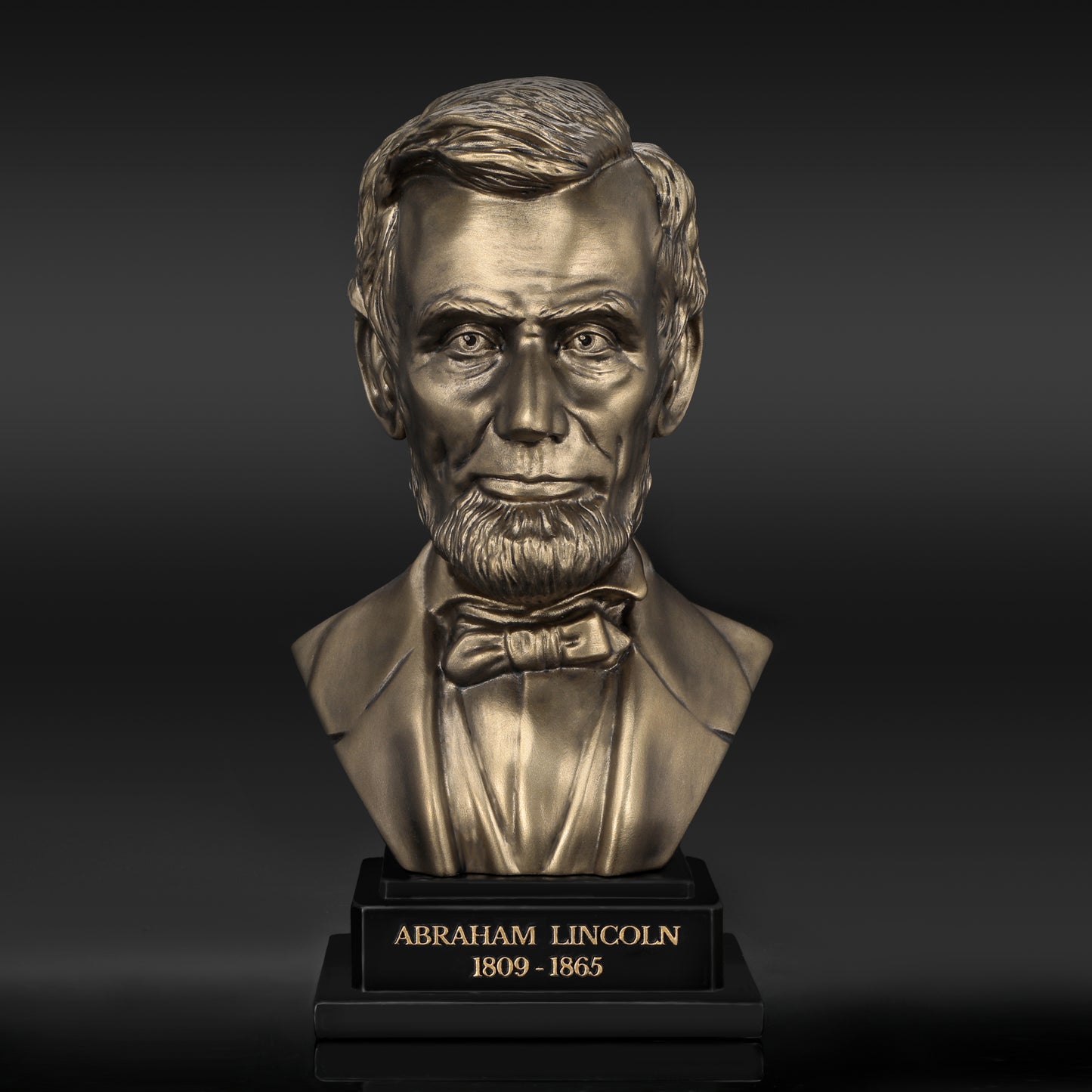
Abraham Lincoln Biography: Emancipation Proclamation, Gettysburg Address, and 16th U.S. President

Abraham Lincoln: A Detailed Biography
Abraham Lincoln, the 16th President of the United States, is one of the most iconic figures in American history. Known for his leadership during the Civil War, his role in abolishing slavery, and his tragic assassination, Lincoln’s life story is a testament to resilience, integrity, and dedication to justice. This biography explores his early life, political career, presidency, and lasting legacy.
Early Life and Humble Beginnings
Abraham Lincoln’s Childhood in Kentucky
Abraham Lincoln was born on February 12, 1809, in a log cabin in Hardin County, Kentucky. His parents, Thomas and Nancy Hanks Lincoln, were poor farmers, and the family faced constant financial struggles. Lincoln’s early life was marked by hardship; his mother died when he was nine, and his father remarried Sarah Bush Johnston, who became a supportive figure in his life.
Lincoln’s Self-Education and Early Jobs
Largely self-educated, Lincoln devoured books, teaching himself grammar, mathematics, and law, as noted in the Library of Congress’s Lincoln Collection. His thirst for knowledge shaped his character and ambition. As a young man, Lincoln worked various jobs, including as a rail-splitter, store clerk, and surveyor. In 1830, his family moved to Illinois, where he began to engage in local politics. His early experiences instilled a deep sense of empathy for the common person, which would later define his political philosophy.
Entry into Politics and Legal Career
Lincoln’s political career began in 1832 when he ran for the Illinois State Legislature. Although he lost his first election, he won a seat in 1834 as a member of the Whig Party, according to the Illinois General Assembly records. Serving four terms in the Illinois House of Representatives, Lincoln honed his skills as a public speaker and advocate for infrastructure improvements and economic development.
During this period, Lincoln also pursued a career in law. After studying independently, he passed the bar exam in 1836 and became a successful lawyer in Springfield, Illinois. His legal practice, known for its fairness and eloquence, earned him the nickname “Honest Abe,” as detailed in the American Bar Association’s historical archives. In 1842, he married Mary Todd, a well-educated woman from a prominent Kentucky family, as recorded in Springfield’s historical society records. The couple had four sons, though only one, Robert, survived to adulthood.
Rise to National Prominence
The Lincoln-Douglas Debates
Lincoln’s national political career took off in the 1840s. He served a single term in the U.S. House of Representatives (1847–1849), where he opposed the Mexican-American War, a stance that made him unpopular in Illinois, as noted in the U.S. House of Representatives archives. After returning to his law practice, Lincoln re-entered politics in the 1850s as the slavery debate intensified. He joined the newly formed Republican Party in 1856, which opposed the expansion of slavery into new territories.
In 1858, Lincoln ran for the U.S. Senate against Stephen A. Douglas. Their series of debates, known as the Lincoln-Douglas Debates, showcased Lincoln’s eloquence and moral stance against slavery, as preserved in the Library of Congress. Although he lost the election, the debates elevated his national profile. Lincoln argued that slavery was a moral wrong and that the nation could not endure as “half slave and half free.” His principled stand resonated with many Americans.
Presidency and the Civil War
Abraham Lincoln’s Role in the Civil War
In 1860, Lincoln won the Republican nomination for president and defeated three other candidates to become the 16th President of the United States, as documented by the National Archives. His election, viewed as a threat by Southern states, triggered the secession of 11 states, forming the Confederate States of America. Lincoln faced the monumental task of preserving the Union as the Civil War began in April 1861, according to the National Museum of American History.
Lincoln’s presidency was defined by the Civil War (1861–1865). He proved to be a strategic leader, balancing military decisions with political challenges. He appointed capable generals, such as Ulysses S. Grant, and navigated complex issues like border state loyalties and international diplomacy. Lincoln’s leadership was tested by early Union defeats, but his resolve to preserve the nation never wavered.
The Emancipation Proclamation and Abolition of Slavery
What Was the Emancipation Proclamation?
One of Lincoln’s most significant acts was issuing the Emancipation Proclamation on January 1, 1863. This executive order declared that all enslaved people in Confederate-held territories were to be set free. While it did not immediately end slavery, it redefined the war as a fight for freedom and allowed African Americans to join the Union Army, bolstering the war effort. The proclamation laid the groundwork for the 13th Amendment, passed in 1865, which abolished slavery throughout the United States, as noted in the U.S. Senate’s historical records.
The Gettysburg Address: Lincoln’s Defining Speech
Lincoln’s commitment to equality extended beyond the proclamation. His speeches, such as the Gettysburg Address in 1863, emphasized the principles of liberty and democracy, as preserved in the National Park Service’s Gettysburg records. Delivered at the dedication of a cemetery at the Gettysburg battlefield, the brief but powerful speech redefined the war’s purpose as a struggle for a “new birth of freedom.”
Re-Election and Reconstruction
In 1864, Lincoln faced a tough re-election campaign amid war fatigue. Running under the National Union Party, he won a second term against Democratic candidate George McClellan, as recorded in the Library of Congress. Lincoln’s second inaugural address, delivered in March 1865, called for reconciliation, urging the nation to heal “with malice toward none, with charity for all.”
As the Civil War neared its end, Lincoln began planning for Reconstruction, aiming to reunite the nation and integrate freed African Americans into society. However, he would not live to see his vision fully realized.
Assassination and Legacy
Abraham Lincoln’s Assassination at Ford’s Theatre
On April 14, 1865, just days after the Confederate surrender, Abraham Lincoln was assassinated by John Wilkes Booth, a Confederate sympathizer, at Ford’s Theatre in Washington, D.C. Shot in the head, Lincoln died the following morning, April 15, 1865, as documented by the Ford’s Theatre National Historic Site. His death shocked the nation, and millions mourned as his funeral procession traveled from Washington to Springfield, Illinois.
Lincoln’s legacy endures as one of America’s greatest presidents. He preserved the Union, abolished slavery, and championed democratic ideals. His life, from humble beginnings to the presidency, embodies the American dream. Monuments like the Lincoln Memorial in Washington, D.C., and his enduring presence in popular culture reflect his lasting impact, as noted by the National Park Service.
Abraham Lincoln’s Lasting Impact
Why Abraham Lincoln Is America’s Greatest President
Lincoln’s contributions extend beyond his time. His leadership during the Civil War set a precedent for presidential authority in times of crisis. The 13th Amendment, passed shortly after his death, fulfilled his vision of a nation free from slavery. His speeches, including the Gettysburg Address and Second Inaugural Address, remain cornerstones of American political rhetoric, as recognized by the Smithsonian Institution. Today, historians and scholars rank Lincoln among the greatest U.S. presidents. His commitment to equality, unity, and perseverance continues to inspire people worldwide.
Frequently Asked Questions About Abraham Lincoln
Below are answers to some of the most commonly asked questions about Abraham Lincoln, addressing popular curiosities and search queries.
How Tall Was Abraham Lincoln?
Abraham Lincoln was 6 feet 4 inches tall, making him the tallest U.S. president in history, as noted by the National Park Service.
How Did Abraham Lincoln Die?
Lincoln was assassinated by John Wilkes Booth, who shot him in the head at Ford’s Theatre on April 14, 1865. He died the next morning, April 15, 1865, as documented by the Ford’s Theatre National Historic Site.
What Was the Emancipation Proclamation?
The Emancipation Proclamation, issued on January 1, 1863, was an executive order by Lincoln that declared the freedom of enslaved people in Confederate-held territories, redefining the Civil War as a fight for freedom.
When Was Abraham Lincoln President?
Lincoln served as the 16th U.S. president from March 4, 1861, until his death on April 15, 1865, as recorded by the National Archives.
Did Abraham Lincoln Own Slaves?
No, Lincoln never owned slaves. He was morally opposed to slavery, though his wife’s family owned slaves in Kentucky, as noted in the Library of Congress.
What Was Abraham Lincoln’s Role in the Civil War?
As president, Lincoln led the Union during the Civil War (1861–1865), preserving the nation and issuing the Emancipation Proclamation to end slavery, according to the National Museum of American History.
Why Is Abraham Lincoln Considered Important?
Lincoln is considered important for preserving the Union, abolishing slavery through the 13th Amendment, and delivering iconic speeches like the Gettysburg Address, as recognized by the Smithsonian Institution.