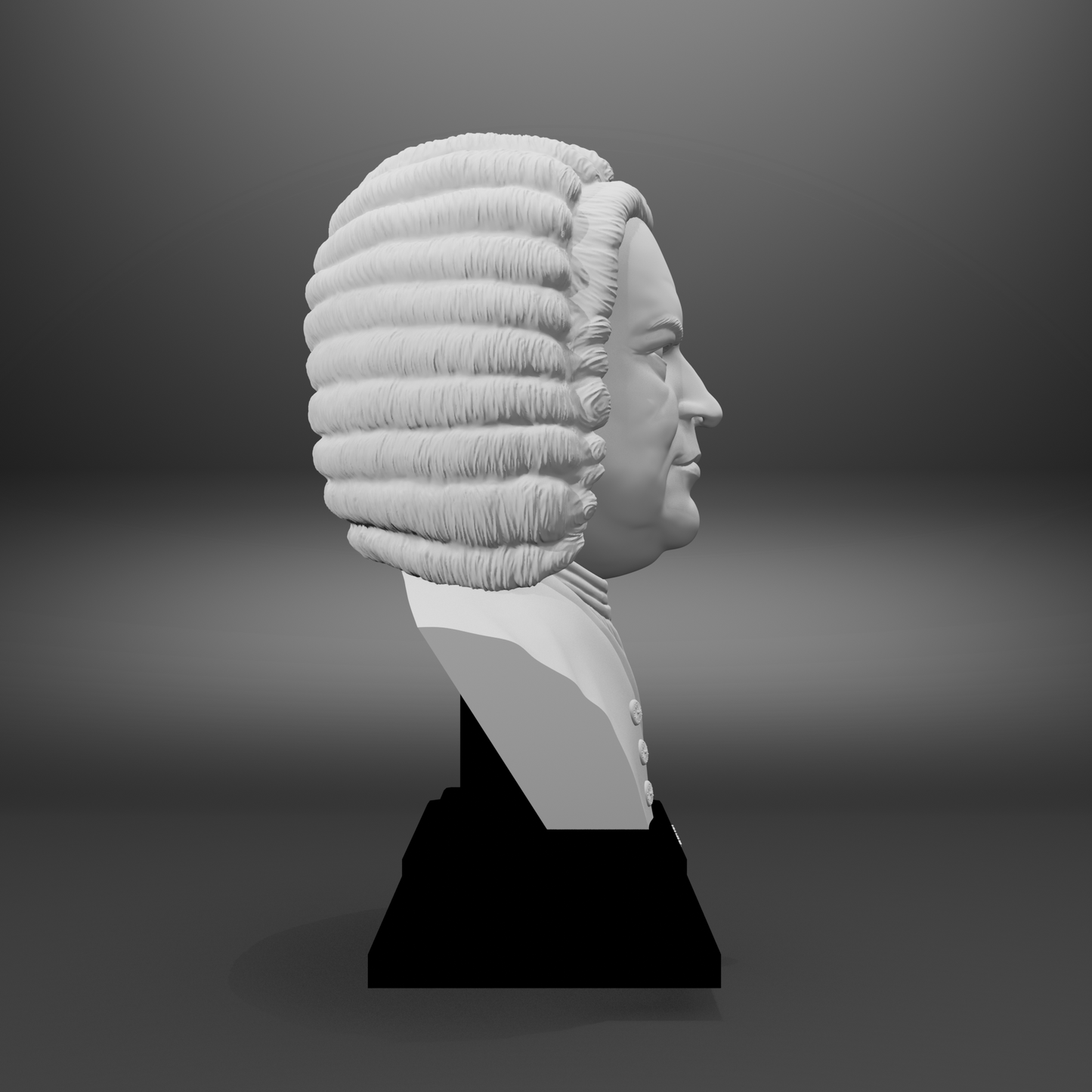
Johann Sebastian Bach Biography: Brandenburg Concertos, Mass in B Minor, and Baroque Master
 Johann Sebastian Bach: A Detailed Biography
Johann Sebastian Bach (1685–1750) is universally regarded as the greatest composer of the Baroque era and one of the most important figures in Western music. His output of over 1,100 surviving works — including the Brandenburg Concertos, Mass in B minor, and St Matthew Passion — represents the pinnacle of contrapuntal artistry. This biography explores his early life, court and church appointments, family, major works, and enduring legacy, as documented by the Encyclopaedia Britannica, the Bach Society, and the comprehensive Wikipedia entry.
Early Life and Musical Dynasty
Birth in Eisenach
Born on March 21, 1685, in Eisenach, Bach came from a family of musicians that produced over 50 notable composers across seven generations, as documented by the Bach House Eisenach and the Bach-Archiv Leipzig chronology.
Orphaned and Early Training
Orphaned at age 10, he moved to Ohrdruf to live with his elder brother Johann Christoph, an organist who taught him keyboard and composition. By 15 he was singing in Lüneburg and already composing. For a detailed timeline of these formative years, see the Bach-Archiv Leipzig research institute resources.
Court and Church Appointments
Weimar, Cöthen, and Leipzig
Organist and concertmaster in Weimar (1708–1717) → Court Kapellmeister in Cöthen (1717–1723) → Cantor at St Thomas Church, Leipzig (1723–1750). In Cöthen he wrote many of his secular masterpieces (Brandenburg Concertos, solo cello suites); in Leipzig he produced his greatest sacred works. Explore his full career progression on the J.S. Bach Home Page timeline.
Major Works
Brandenburg Concertos and Orchestral Suites
Dedicated to the Margrave of Brandenburg in 1721, the six concertos showcase dazzling virtuosity and inventive orchestration. Listen to and learn more about these and other works via the Netherlands Bach Society's All of Bach project.
The Well-Tempered Clavier
Two books of 24 preludes and fugues in every key (1722 & 1742) — a cornerstone of keyboard repertoire and tuning theory. Detailed scores, texts, and discussions are available on the Bach Cantatas Website.
Passions and Mass in B minor
The St John (1724) and St Matthew (1727) Passions, plus the monumental Mass in B minor (completed 1749), are among the greatest choral works ever written. For in-depth analysis and recordings, visit the Chamber Music Society of Lincoln Center's Bach overview.
Family Life
Bach married twice: first to his cousin Maria Barbara Bach (1707–1720; 7 children), then to Anna Magdalena Wilcke (1721–1750; 13 children). Four sons became major composers in their own right, carrying Bach’s influence into the Classical era. See the full Bach family tree and details at Wikipedia's Bach family page.
Late Years and Blindness
In 1749–1750 Bach’s eyesight failed. Two operations by the notorious British oculist John Taylor left him totally blind. He dictated his final chorale prelude “Vor deinen Thron tret’ ich” from his deathbed.
Death and Rediscovery
Johann Sebastian Bach’s Enduring Impact
Bach died on July 28, 1750, in Leipzig and was buried in an unmarked grave. Largely forgotten after his death, he was rediscovered by Mendelssohn’s 1829 performance of the St Matthew Passion. Today he is celebrated as the supreme master of counterpoint, influencing Mozart, Beethoven, Brahms, and 20th-century composers. His music forms the bedrock of Western classical tradition.
Frequently Asked Questions About Johann Sebastian Bach
Why Is Johann Sebastian Bach Famous?
For the Brandenburg Concertos, Mass in B minor, St Matthew Passion, and The Well-Tempered Clavier — the pinnacle of Baroque music.
How Many Children Did Bach Have?
20 children; 10 survived to adulthood, including four famous composer sons.
Where Was Bach Born?
Eisenach, Germany, on March 21, 1685.
What Is The Well-Tempered Clavier?
Two sets of 24 preludes and fugues in all keys — the “Old Testament” of keyboard music.
Did Bach Ever Leave Germany?
No — he never travelled outside the German-speaking lands.
What Is the Mass in B Minor?
Bach’s monumental Latin Mass (1749) — one of the greatest choral works ever composed.
How Did Bach Die?
July 28, 1750, in Leipzig at age 65, after two failed eye operations left him blind.