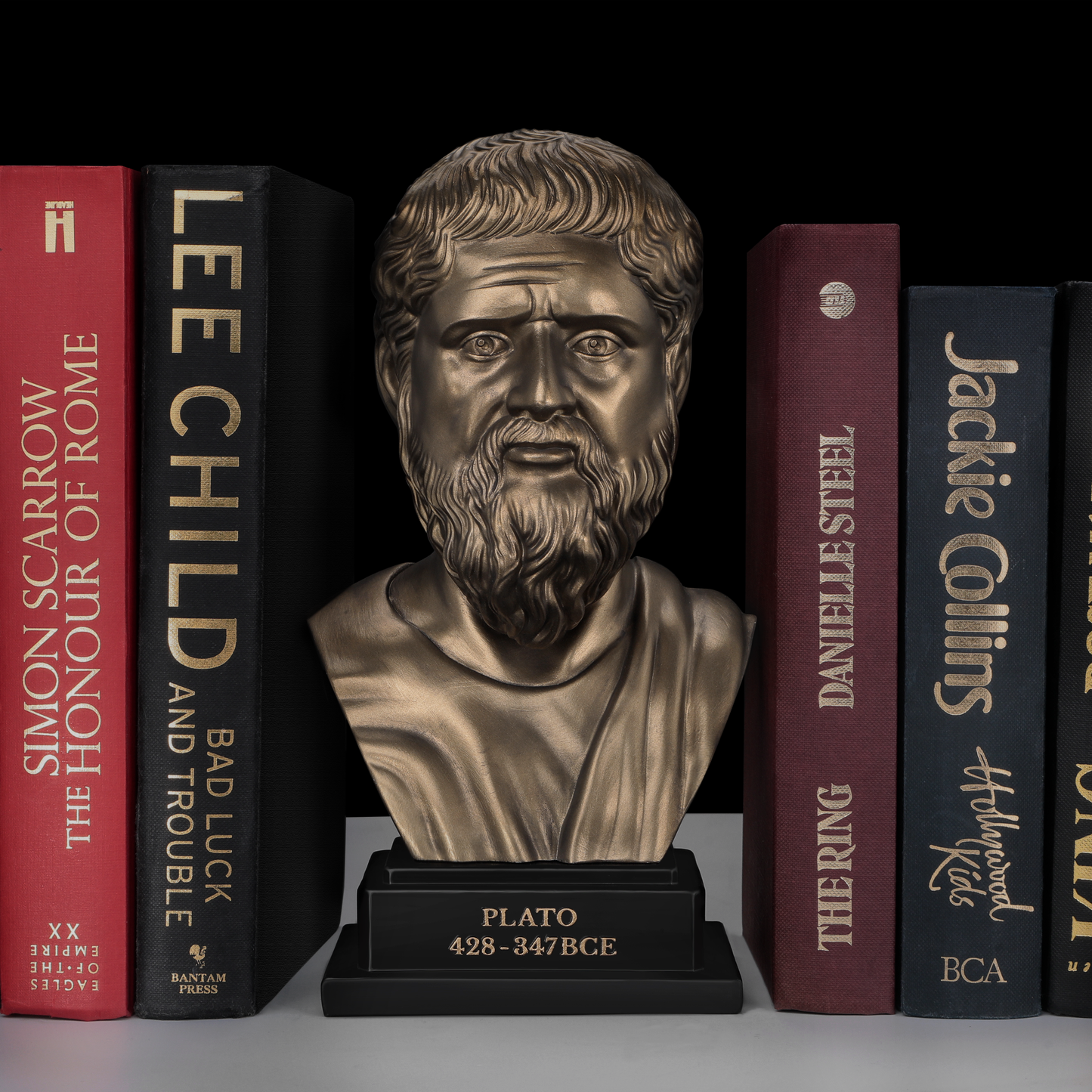
Plato Biography: The Republic, Theory of Forms, and Founder of the Academy


Plato: A Detailed Biography
Plato, one of the most influential philosophers in Western history, shaped philosophy through works like The Republic and by founding the Academy in Athens. His ideas on justice, knowledge, and the theory of Forms continue to impact thought today. This biography explores his early life, philosophical contributions, teaching career, and enduring legacy.
Early Life and Background
Childhood in Athens
Plato was born around 428 or 427 BCE in Athens, Greece, into an aristocratic family, as documented by the Encyclopaedia Britannica. His birth name was Aristocles, but he was nicknamed Plato, meaning “broad,” possibly due to his physique. Raised during the Peloponnesian War, he was influenced by Athens’ political turmoil, as noted by the Stanford Encyclopedia of Philosophy.
Education and Early Influences
Plato received an elite education, studying poetry, music, and philosophy. He was deeply influenced by Socrates, whom he met in his youth. Socrates’ questioning method and execution in 399 BCE shaped Plato’s philosophical outlook, as recorded by the Internet Encyclopedia of Philosophy.
Philosophical Contributions
Theory of Forms
Plato’s theory of Forms posits that non-physical, eternal “Forms” or ideals (e.g., Beauty, Justice) are the true reality, while physical objects are imperfect reflections. This concept, central to works like Phaedo and The Republic, influenced metaphysics and epistemology, as noted by the World History Encyclopedia.
The Republic and Political Philosophy
In The Republic, Plato explores justice and the ideal state, proposing a society led by philosopher-kings. His dialogues, written in Socratic question-and-answer format, address ethics, politics, and the soul’s immortality, as highlighted by the Library of Congress.
The Academy and Teaching
Founding the Academy
Around 387 BCE, Plato founded the Academy in Athens, one of the first institutions of higher learning in the Western world. It trained students in philosophy, mathematics, and science, as documented by the British Museum. The Academy operated for centuries, shaping intellectual thought.
Teaching Aristotle
Plato’s most famous student was Aristotle, who studied at the Academy for nearly 20 years. Their differing philosophies—Plato’s idealism versus Aristotle’s empiricism—sparked debates that influenced Western thought, as noted by the National Geographic.
Travels and Later Years
Plato traveled to Syracuse, Sicily, three times, attempting to implement his political ideals under rulers like Dionysius II. These efforts failed, but they informed his later works, like Laws. He continued teaching and writing in Athens, focusing on dialogues like Symposium and Timaeus, as recorded by the Internet Encyclopedia of Philosophy.
Personal Life and Legacy
Little is known of Plato’s personal life; he never married and left few personal records. His dialogues, often featuring Socrates, reflect his philosophical and literary genius. His influence on philosophy, politics, and education endures, as noted by the Smithsonian Magazine.
Death and Legacy
Plato’s Enduring Impact
Plato died around 348 or 347 BCE in Athens, likely from natural causes due to old age, as recorded by the Encyclopaedia Britannica. His ideas shaped Western philosophy, influencing Christianity, Islam, and modern thought. The Academy and works like The Republic remain foundational to philosophy and political theory.
Frequently Asked Questions About Plato
Below are answers to some of the most commonly asked questions about Plato, addressing popular curiosities and search queries.
Why Is Plato Famous?
Plato is famous for his philosophical works like The Republic, founding the Academy in Athens, and developing the theory of Forms.
What Are Plato’s Most Famous Works?
Plato’s most famous works include The Republic, Symposium, Apology, Phaedo, and Timaeus, as noted by the World History Encyclopedia.
Where Was Plato Born?
Plato was born in Athens, Greece, around 428 or 427 BCE.
What Was Plato’s Philosophy?
Plato’s philosophy centered on the theory of Forms, the immortality of the soul, and ideas about justice, knowledge, and the ideal state, as per the Stanford Encyclopedia of Philosophy.
Did Plato Teach Aristotle?
Yes, Plato was Aristotle’s teacher at the Academy in Athens for nearly 20 years, as noted by the National Geographic.
What Was the Academy?
The Academy was a philosophical school founded by Plato in Athens around 387 BCE, considered one of the first institutions of higher learning.
How Did Plato Die?
Plato died around 348 or 347 BCE in Athens, Greece, likely from natural causes due to old age.